How Businesses Can Resume Import & Export — and How GHS Logistics Can Support Your Stuck Shipments or even your imports was pending.
Introduction: A Critical Global Trade Route Reopens
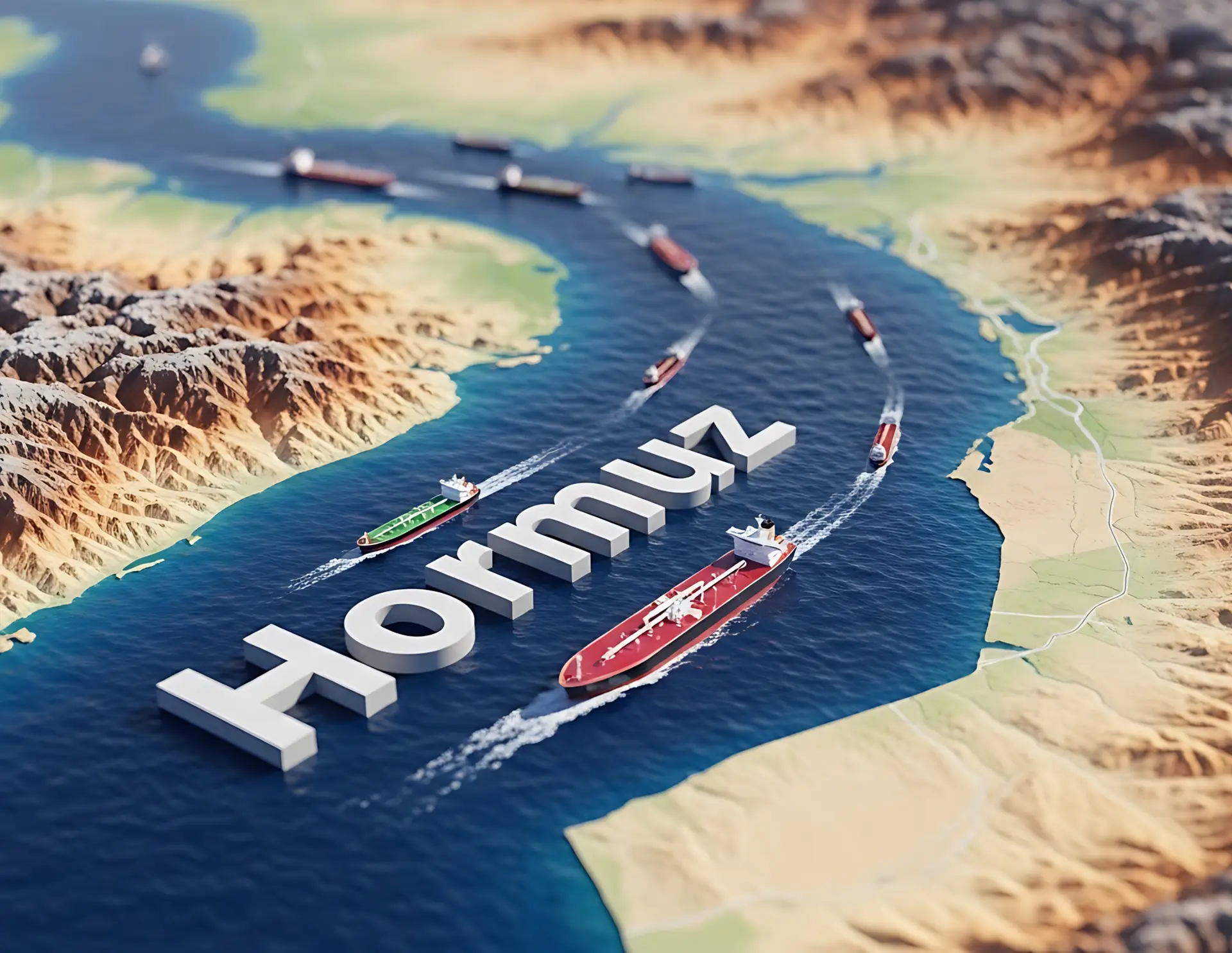
After weeks of disruption, uncertainty, and halted cargo flows, the Strait of Hormuz has officially reopened for commercial shipping, offering a major relief to global trade and especially to the UAE logistics sector.
Recent developments confirm that the Strait is now accessible again following a temporary ceasefire and international coordination, allowing vessels to resume transit through one of the world’s most important maritime corridors.
For businesses across the UAE, GCC, and international markets, this moment is more than just a reopening.
→ It is a strategic window to recover, reposition, and move forward.
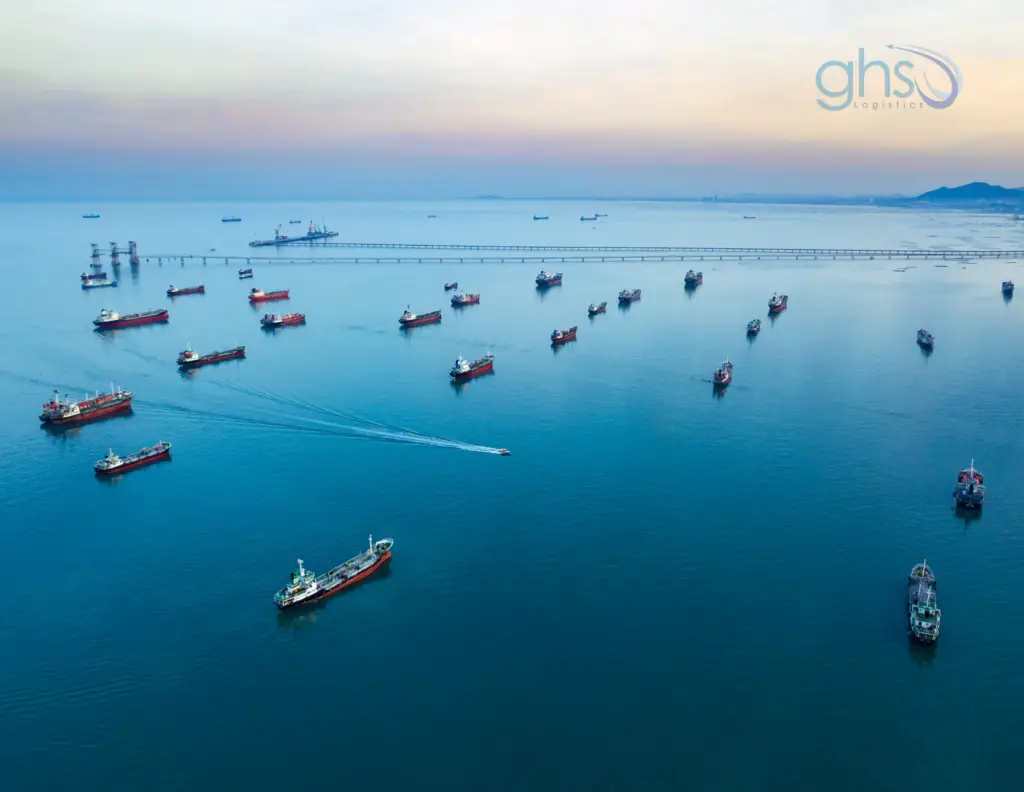
Why the Strait of Hormuz Reopens UAE Do Matters to Your Business
The Strait of Hormuz reopens UAE is not just UAE or a regional route for countries has shore on Arab Gulf (Farsi Gulf)—it is a global trade lifeline.
- Around 20% of global oil and major cargo flows pass through this corridor
- It connects Gulf ports (UAE, Saudi Arabia, Qatar) to global markets
- It supports industrial, commercial, and project cargo movement.
- some none-official resources reported that 70% of global trade cross through UAE and specifically the majority Jebel Ali Port
During the recent crisis:
- Thousands of containers were delayed or stranded
- Shipping routes were diverted, increasing transit time by 10–14 days
- Freight costs surged significantly due to risk and rerouting
For UAE-based importers and exporters, the impact was immediate:
- delayed deliveries
- increased logistics cost
- disrupted supply chains
The Current Situation: Open but Still Sensitive
Although the Strait is now declared open, the situation remains fragile and controlled.
- Ships are resuming transit gradually, not at full capacity
- Certain routes require coordination and security clearance
- Insurance and risk premiums are still elevated
- Some vessels are still waiting or rerouting
Experts confirm that full normalization will take time, and logistics operations may remain uneven in the short term.
What This Means for Importers and Exporters
Strait of Hormuz reopens UAE; This reopening creates immediate opportunities—but also operational challenges.
1. Release of Stuck Shipments
Cargo that was:
- held at origin
- stranded in Gulf ports
- delayed in transit
→ can now begin moving again.
2. Carrier Repositioning
Shipping lines are:
- rescheduling routes
- adjusting vessel rotations
- prioritizing backlog cargo
→ Early coordination is critical to secure space.
3. Rate Adjustments
Freight rates may:
- stabilize gradually
- remain volatile in the short term
- still include war-risk or emergency surcharges
Example: emergency increases reached up to USD 3,000 per container during disruption.
4. Operational Bottlenecks
Expect temporary congestion at:
- Jebel Ali Port
- Khalifa Port
- RAK Port
- regional transshipment hubs
→ Due to accumulated backlog.
Strategic Advice for Businesses Right Now
To take full advantage of Strait of Hormuz reopens UAE, businesses should act strategically:
Step 1: Assess Your Cargo Status
- Identify all delayed or pending shipments
- Confirm current location (origin / transshipment / port)
Step 2: Revalidate Shipping Plans
- Check with carriers for updated schedules
- Evaluate whether to continue with same carrier or switch
Step 3: Optimize Route Selection
- Consider alternative routing (if still congested)
- Evaluate transit time vs cost
Step 4: Prepare Documentation
- Ensure customs documents are updated
- Align HS codes and compliance
Step 5: Act Quickly
→ Early movers will secure:
- better freight rates
- faster transit
- priority space
How GHS Logistics Supports You During This Recovery Phase
At GHS Logistics Services FZE, we understand that this situation is not just about shipping—it is about recovering your business flow.
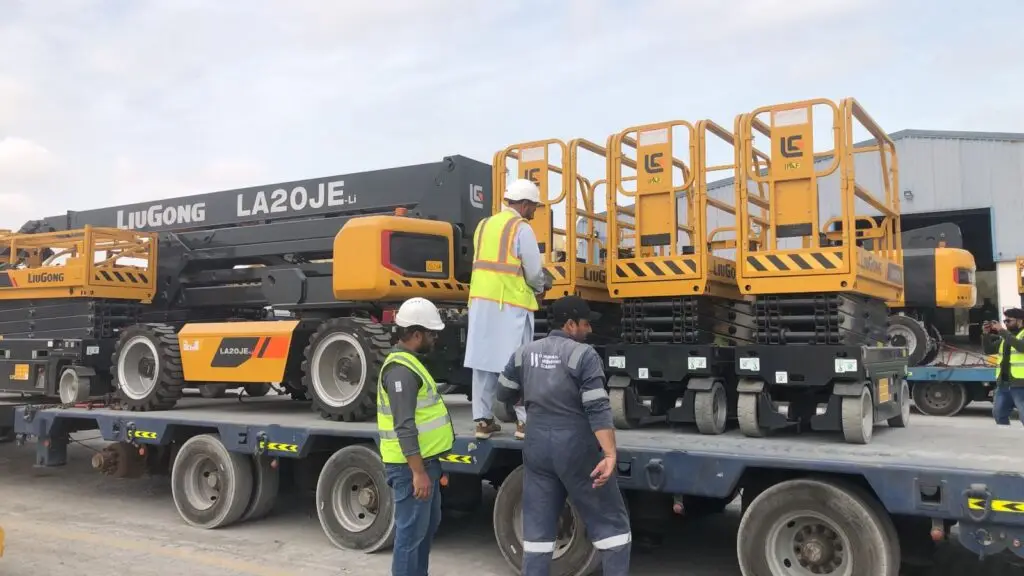
1. Handling Stuck Shipments
We assist in:
- identifying cargo status across carriers
- coordinating release from ports or terminals
- resolving documentation or clearance delays
2. Carrier Coordination & Negotiation
We work directly with:
- global shipping lines
- airlines
- regional transport providers / Trucking / Haulage
To:
- secure available space
- renegotiate freight terms
- prioritize urgent shipments
3. Switching Forwarding Strategy (If Required)
In many cases, it may be more efficient to:
→ Shift cargo to a new forwarding arrangement
We support:
- re-routing shipments
- switching carriers
- converting sea to air (urgent cargo)
- multimodal solutions
4. Customs Clearance in UAE
With strong expertise in:
- Fujairah Customs
- Khorfakkan Customs
- Sharjah Customs
- Dubai Customs
- RAK Customs
- Free Zone regulations
We ensure:
- fast clearance
- compliance
- reduced delays and minimise unforeseen costs
5. End-to-End Logistics Execution
From origin to final delivery, we manage:
- freight forwarding (air, sea, land)
- Temporary storage
- warehousing and storage
- distribution within UAE & GCC
- last-mile delivery throughout our fulfilment centre’s
6. Support for Industrial & Project Cargo
Especially for:
- machinery
- oil & gas equipment
- construction materials
Which are heavily dependent on Hormuz routes, read more here about how UAE and Saudi using Strait Hormuz as key access for industrial & project cargo and how delays impacts on it.
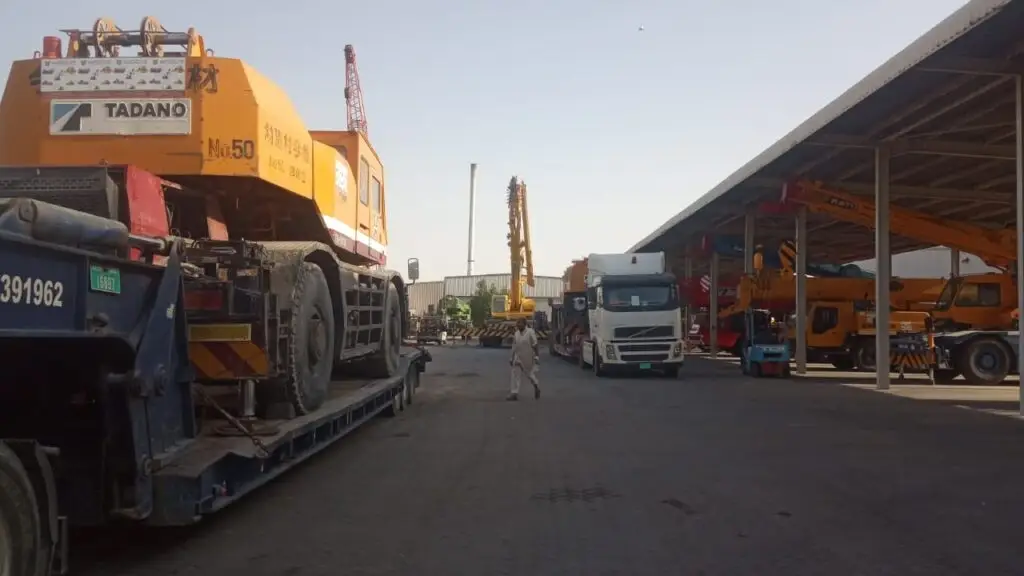
Why Acting Now is Critical
This reopening is a time-sensitive opportunity.
Delays in action may result in:
- missing vessel schedules
- increased congestion costs
- longer recovery timelines
Market Reality
While the Strait is open:
- confidence in shipping is still rebuilding
- capacity is not yet fully restored
- demand will increase rapidly
→ The market will shift quickly from delay to congestion, and with early arrangements through us can help more to secure a right shipping deal.
Why Choose GHS Logistics
GHS Logistics is positioned to support this transition because:
- Established presence in UAE since 2012
- Strong network with global carriers
- Expertise in crisis logistics and rerouting
- Presence in both Dubai and Ras Al Khaimah
- Experience handling complex and oversized shipments
Conclusion: Turn Disruption into Opportunity
The reopening of the Strait of Hormuz marks:
→ Not the end of disruption, but the beginning of recovery
Businesses that act quickly and strategically will:
- recover faster
- reduce losses
- regain market position
Contact us now
It is time to take action whether you importing or exporting and your shipments are delayed, stuck, or require quick arrangements, today is Strait of Hormuz reopens UAE and you need to contact us now to check your options
GHS Logistics Services FZE is ready to support you immediately
- Cargo tracking & recovery
- Freight rebooking
- Customs clearance
- End-to-end logistics execution
**Images Disclaimer
The images shown are for illustration purposes only and do not represent any facts.