How Businesses are Capable to Handle Pharma Supply Chain problems and Fight Counterfeit Medicines
“Heroes may win battles, but it is capable supply chains that win wars against diseases.” — Natalie Privett
“This post: Originally published on 11 November 2020. Edited on 4th July 2026 for clarity and readability.”
Access to safe and reliable medicine is one of the most important requirements of public health. Yet in many developing and underdeveloped regions, counterfeit, falsified, expired, or poorly handled medicines continue to create serious risks for patients, healthcare providers, governments, and legitimate pharmaceutical companies.
The issue is not only about criminal production or illegal trading. It is also about weak points inside the pharmaceutical supply chain. When medicines move through unclear routes, unverified intermediaries, poor documentation, or fragmented logistics systems, the opportunity for counterfeit products to enter the market increases.
For the pharmaceutical sector, the supply chain is not simply a delivery function. It is a protection system. It must preserve product integrity, support regulatory compliance, maintain visibility, and help ensure that the medicine reaching the patient is the same product released by the approved manufacturer.
The Global Threat of Counterfeit Medicines
Counterfeit medicines are a long-standing global concern. Reports from international health authorities have shown that falsified and substandard medicines can appear in both regulated and less-regulated markets, although the risks are often higher where enforcement, inspection, tracking, and distribution controls are weaker.
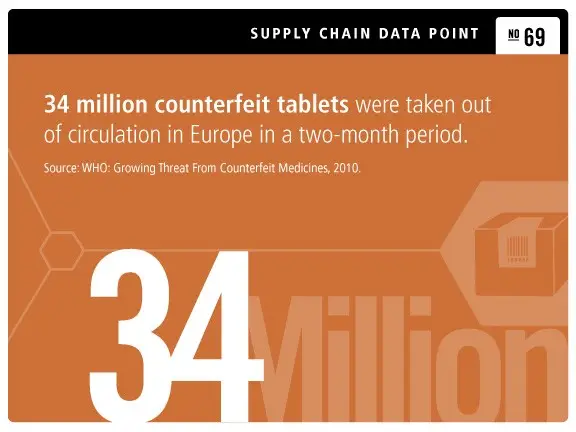
A widely referenced WHO-related concern from earlier years highlighted the scale of the challenge, including major seizures of counterfeit tablets in Europe and estimates that counterfeit medicines could represent a significant share of medicine circulation in parts of Africa, Asia, and Latin America.
The danger is not limited to financial loss. Counterfeit medicines may contain the wrong ingredients, incorrect dosage levels, harmful substances, or no active ingredient at all. In the case of antibiotics, fake or low-quality products may also contribute to treatment failure and antimicrobial resistance. For patients, the consequences can be severe.
This is why the pharmaceutical supply chain must be viewed as a public health priority, not only as a commercial distribution process.
Source: WHO Counterfeit Medicines Report
How Counterfeit Medicines Enter the Supply Chain
Pharmaceutical supply chains often involve manufacturers, importers, distributors, freight forwarders, warehouses, customs brokers, hospitals, clinics, pharmacies, and regulators. In a controlled environment, each party plays a defined role and keeps clear records. However, when the chain becomes fragmented or poorly documented, counterfeiters may find openings.
Common weaknesses include:
- Unverified intermediaries handling products without proper due diligence.
- Poor documentation during transport, storage, or customs movement.
- Limited shipment visibility between origin, transit points, and destination.
- Weak temperature and condition monitoring for sensitive medical products.
- Manual records that are easy to lose, alter, or misinterpret.
- Expired or damaged products being reintroduced into circulation.
- Lack of coordination between supply chain partners.
In many cases, the problem is not caused by one failure. It is caused by several small gaps across the movement of goods. A shipment may begin with an approved supplier but pass through too many uncontrolled points before reaching the final buyer. Each weak point increases risk.
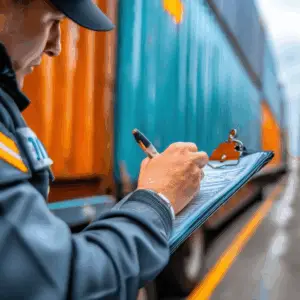
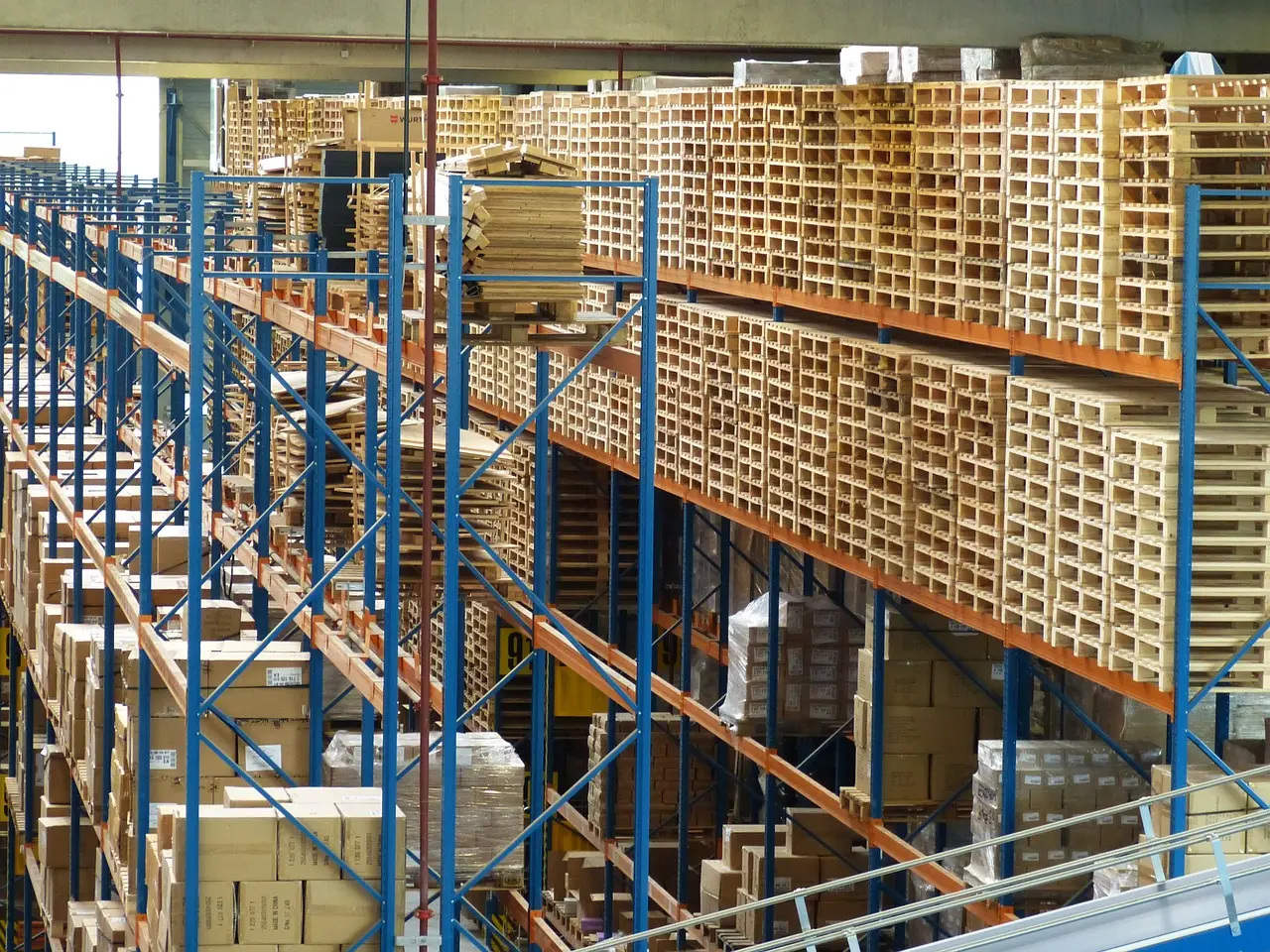
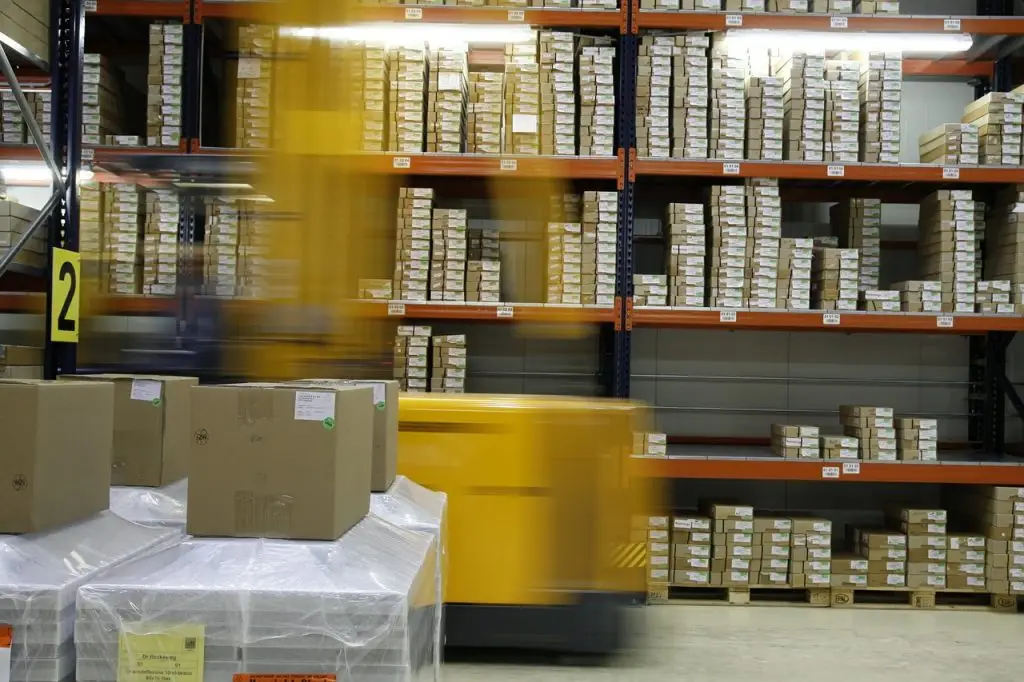
[Image caption: Pharma supply chain visibility and secure logistics are critical in reducing counterfeit medicine risk.]
Why Supply Chain Transparency Matters
Speed is important in pharmaceutical logistics, especially when medicines are urgently needed. However, speed alone is not enough. A fast supply chain without proper controls can move unsafe products just as quickly as genuine ones.
Transparency helps supply chain partners answer essential questions:
- Where did the product originate?
- Who handled it?
- When did it move?
- Was it stored correctly?
- Was the shipment opened, delayed, damaged, or diverted?
- Can the product be traced back to a verified source?
When these questions can be answered with reliable records, the supply chain becomes stronger. When they cannot be answered, risk increases.
Transparency also supports accountability. If a problem occurs, companies and authorities must be able to trace the shipment history and identify where the issue may have entered the chain. Without proper records, investigations become slower, recalls become harder, and patients remain exposed to risk for longer.
Key Supply Chain Strategies to Reduce Counterfeit Risk
1. Stronger Supplier and Partner Verification
A secure pharmaceutical supply chain begins before the shipment moves. Manufacturers, distributors, logistics providers, and trading partners must be properly verified. This includes reviewing licenses, approvals, documentation standards, storage capabilities, and previous performance.
Unverified middlemen create unnecessary risk. The more parties involved without clear control, the more difficult it becomes to protect the shipment. For healthcare and pharma-related cargo, logistics partners should be selected based on reliability, documentation discipline, and understanding of regulated goods movement.
2. Real-Time Tracking and Shipment Visibility
Tracking systems help supply chain stakeholders monitor the location and movement of pharmaceutical shipments. For sensitive products, visibility is especially important because delays, route deviations, or unauthorized stops may create quality and security concerns.
GPS tracking, shipment status updates, and controlled handover records help reduce uncertainty. When combined with clear communication between the shipper, forwarder, warehouse, and consignee, tracking improves response time if something goes wrong.
For pharmaceutical products, visibility is not only a customer service feature. It is part of risk management.
3. Temperature and Condition Monitoring
Many medicines require controlled storage and transport conditions. If products are exposed to unsuitable temperatures, humidity, or handling conditions, their quality may be affected even if the packaging appears normal.
Cold chain and temperature-sensitive logistics require proper planning, suitable packaging, trained handling, and monitoring. Temperature records can help confirm whether the shipment remained within acceptable limits. Without these records, it may be difficult to prove product integrity.
This is particularly important for vaccines, biologics, specialty medicines, and other sensitive healthcare products.
4. Better Documentation and Record Keeping
Good logistics is not only about moving cargo from one point to another. It is also about maintaining a clear record of what happened during that movement.
For pharmaceutical shipments, documentation may include commercial invoices, packing lists, certificates, permits, customs records, batch details, expiry information, storage records, and handover confirmations. When records are incomplete or inconsistent, it becomes easier for counterfeit or expired products to pass through unnoticed.
A strong documentation process supports traceability. It also helps companies respond faster to audits, inspections, disputes, or recalls.
5. Digital Supply Chain Systems
Traditional paper-based or disconnected systems can make pharmaceutical supply chains difficult to control. A digital supply chain system can improve coordination by connecting stakeholders, shipment information, status updates, and documents in one structured process.
Cloud-based platforms can support better visibility, automated alerts, document access, and communication between parties. While technology alone cannot eliminate counterfeit medicines, it can reduce blind spots and improve control.
For the pharma sector, digital systems are most useful when they are supported by disciplined operations and clear compliance procedures.
6. Blockchain and Traceability Concepts
Blockchain was increasingly discussed as a promising traceability tool in the years leading up to 2020. The idea is that every movement or transaction related to a medicine can be recorded in a secure, time-stamped, and difficult-to-alter ledger.
In theory, this can help stakeholders verify the origin and movement of products across the supply chain. However, blockchain is not a complete solution by itself. It still depends on accurate data entry, verified participants, and proper physical controls.
The real value comes when traceability technology is combined with reliable logistics execution.
The Role of Logistics Providers in Pharma Supply Chain Security
Logistics providers play a critical role in protecting pharmaceutical products. Their responsibility is not limited to transport. They support shipment planning, controlled handling, documentation, storage coordination, customs movement, visibility, and delivery discipline.
For companies operating in the UAE, GCC, MENA, and international trade lanes, pharma logistics requires additional attention because shipments may cross multiple borders, regulatory environments, and handling points.
A capable logistics provider should help reduce uncertainty by offering:
- Clear shipment planning.
- Proper documentation support.
- Secure handling procedures.
- Visibility during movement.
- Coordination with customs and receiving parties.
- Structured records for future reference.
- Awareness of temperature-sensitive and regulated cargo requirements.
At GHS Logistics Services FZE, the approach to healthcare and pharmaceutical-related logistics is based on controlled movement, documentation accuracy, operational visibility, and supply chain accountability. In healthcare logistics, speed matters, but security and traceability are equally important.
Why Transparency Should Come Before Convenience
A weak supply chain often looks convenient in the short term. It may appear faster, cheaper, or easier to use. However, when pharmaceutical products are involved, shortcuts can create serious consequences.
Poor documentation, unclear suppliers, uncontrolled storage, and limited shipment visibility may save time at one stage but create major risk later. If a medicine is compromised, the impact can affect patients, healthcare providers, importers, distributors, and the reputation of legitimate brands.
Transparency helps protect all parties. It supports public trust, reduces the risk of counterfeit infiltration, and gives companies the information needed to act quickly when a problem appears.
Looking Ahead
The fight against counterfeit medicines requires cooperation between manufacturers, governments, regulators, healthcare providers, logistics companies, technology providers, and buyers. No single party can solve the issue alone.
However, stronger supply chains can make a meaningful difference. Better verification, improved tracking, proper documentation, temperature monitoring, digital systems, and traceability tools all help reduce opportunities for counterfeit products to enter circulation.
For pharmaceutical and healthcare companies, the supply chain should be treated as part of product quality and patient safety. Every movement, record, handover, and storage decision matters.
Conclusion
Counterfeit medicines are not only a supply chain problem. They are a public health risk. The solution requires stronger logistics controls, better transparency, improved documentation, and greater accountability across every stage of the pharmaceutical supply chain.
By improving traceability, monitoring, and responsiveness, logistics providers can help protect the integrity of medicines and support safer healthcare distribution.
GHS Logistics Services FZE supports businesses that require reliable logistics, documentation control, and supply chain visibility for sensitive and regulated cargo movements across the UAE, GCC, MENA, and international markets.
Related Topics for Future Reading
- The role of 3PL in pharma logistics
- Cold chain logistics for temperature-sensitive medicines
- How documentation improves healthcare supply chain control
- IOR and EOR considerations for regulated cargo
- Why shipment visibility matters in medical logistics
Need Pharma Logistics Support?
If your business requires structured logistics support for healthcare, medical, or pharmaceutical-related cargo, contact GHS Logistics Services FZE to discuss shipment planning, documentation, storage coordination, and secure movement across the UAE and regional markets.
Subscribe to GHSL Insights
Stay informed about logistics, healthcare supply chains, freight forwarding, warehousing, and regulated cargo movement.